
Checking Criminal History in Pitt County
Start with the event and the desired proof. North Carolina eCourts Portal is the practical first stop for a filed Pitt County case. It supports searches by party, record number, citation number, attorney, business name, cross-reference number, and nickname. Public summaries and Registers of Actions update after Odyssey entries, but a portal screen is not an official background check. For current custody, use the county detainee tool. Ask the arresting agency for its report, and use the Clerk for a certified county court search.
The Pitt County Sheriff's official page places its current-inmate route alongside other sheriff services.
That route belongs near the start of a custody check, but it should be paired with court and agency sources when the question reaches beyond present detention.
- Choose the event type: police report, booking, court case, or statewide self-review.
- Search the matching official system with a full name, a partial name, or a known record number.
- Compare identifiers and dates before treating a result as the right person or event.
- Open the court register, booking detail, or public report information that supports the result.
- Request a certified copy or fingerprint review when a portal view is not authoritative enough.
Older Pitt files remain with the Clerk. A narrow request that includes the event date, place, agency, and known number is more useful than a request for every possible record.
Three Pitt Criminal Record Custodians
A single incident can create three distinct public-facing records. The arresting officer's agency keeps the incident and arrest material. Pitt County Detention Center creates a booking record only when a person is admitted. The Clerk of Superior Court maintains the criminal case once charges enter District or Superior Court. Each file captures a different point in time, and none proves what the other two contain.
| Record | First custodian | Best use | Key limit |
|---|---|---|---|
| Incident or arrest report | Arresting agency | Basic event and enforcement facts | Investigative parts may be withheld |
| Booking entry | Pitt detention staff | Current custody, charge, sentence, and bond data shown | Not a historical conviction search |
| Court case file | Pitt County Clerk | Filed charges, hearings, disposition, and judgment | Portal data is not a certified copy |
Record flow: Arresting agency › Pitt County Detention Center when admitted › magistrate › District or Superior Court › SBI disposition update.
That flow also explains gaps. Citation and release can create a police and court record without a jail booking. A court charge may change from the label first entered at intake.
North Carolina Official Background Checks
North Carolina does not provide a general-public SBI name-search product. A person reviewing their own statewide repository record uses the North Carolina State Bureau of Investigation Criminal Information and Identification Section's fingerprint-based Right to Review. The applicant obtains an FD-258 card from a law-enforcement fingerprint service, completes the signed request, and mails the original card with a $14 certified check or money order. SBI returns the noncertified result to the subject, not to another person.
The SBI Right to Review instructions show the fingerprint and mailing path used for a statewide self-review.
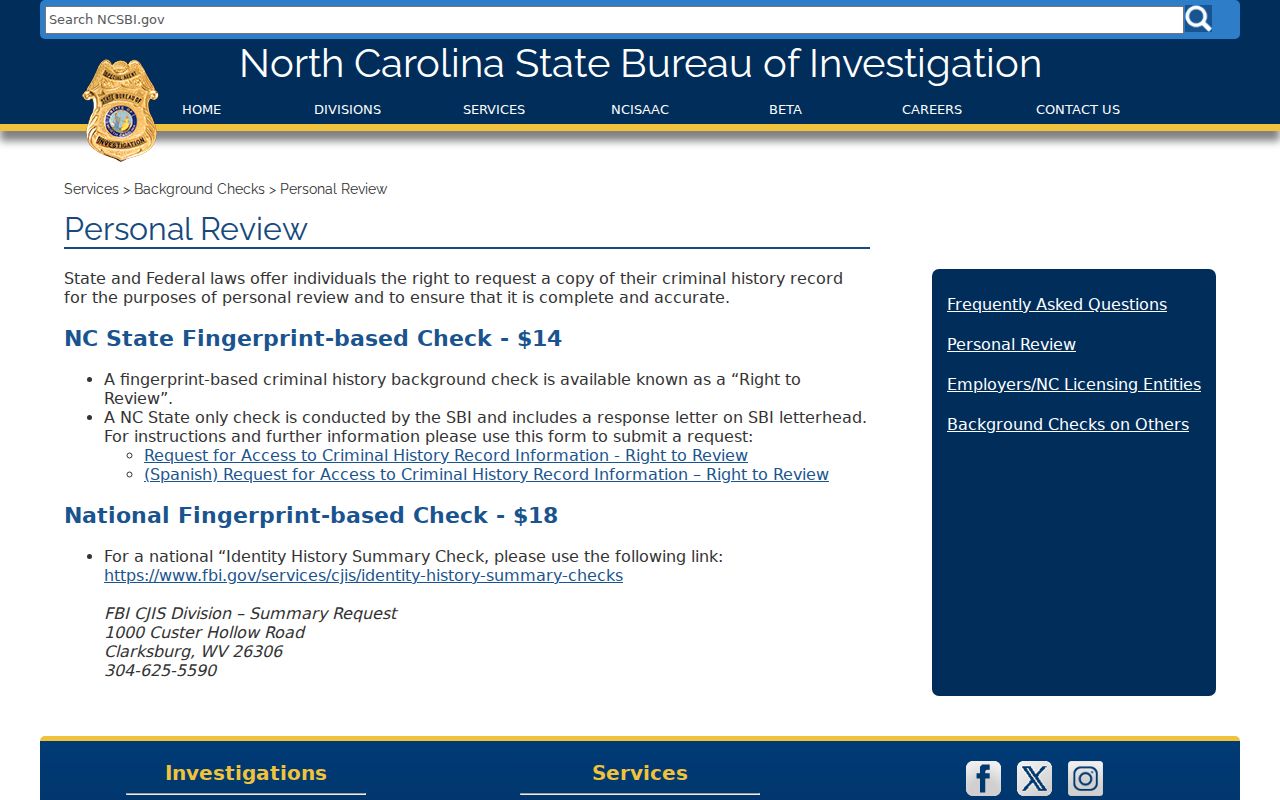
This product is identity-centered and can reveal a fingerprint-linked cycle that a similar-name court search might miss. The Pitt County Sheriff advertises fingerprinting, but no current schedule or fee was verified, so call 252-902-2800 before traveling.
| Official route | Fee | Scope |
|---|---|---|
| SBI Right to Review | $14 | Subject's fingerprint-based North Carolina history |
| Pitt Clerk certified name search | $25 per name | Pitt County court records only |
| Courthouse public terminal | Free to search | Noncertified court information; copies may cost extra |
| eCourts Portal | Free | Public docket information, not an official check |
Pitt Criminal Records at New Hope Road
Sheriff headquarters and the detention operation form a key Pitt County criminal record hub east of central Greenville. Headquarters is at 100 New Hope Road, Greenville, NC 27834. Its main number is 252-902-2800, and normal weekday hours are 8:00 a.m. to 5:00 p.m. The adjacent Pitt County Detention Center is at 124 New Hope Road. Inmate information is available at 252-902-2868 on weekdays from 8:00 a.m. to 4:00 p.m.; after-hours and holiday assistance uses 252-902-2913.
The sheriff's contact directory shows the public-record and sex-offender contact routes used at the New Hope Road offices.
Public-record questions may also go to Public Records Clerk Victoria McRoy at 252-902-2754, fax 252-565-1760, or victoria.mcroy@pittcountync.gov. Email is not monitored for emergencies or deputy dispatch.
Sheriff Public Records
Victoria McRoy
100 New Hope Road
Greenville, NC 27834
252-902-2754
Pitt County Detention Center
124 New Hope Road
Greenville, NC 27834
252-902-2850
Pitt County Clerk
100 West Third Street
Greenville, NC 27835
252-695-7100
Criminal Record Types
Pitt County criminal records are grouped by the work that created them. An incident report records alleged facts and police action. A booking entry records jail admission. A charging document states what the State has filed. The court case file tracks hearings and the outcome. SBI's repository links fingerprintable arrest cycles with reported dispositions. NCDAC separately reports state custody and community supervision.
- Police and sheriff reports: basic incident or arrest information may be public, while investigative material can remain protected.
- Bookings: the detention record reflects intake and current custody rather than guilt.
- Court files: District and Superior Court records show the filed case, events, and judgment.
- State repository histories: SBI Right to Review is fingerprint-matched and limited to the subject.
- Custody and supervision: NCDAC covers prison, probation, parole, and post-release data in its public locator.
The North Carolina Judicial Branch's Pitt County route connects local court users with the unified state system.
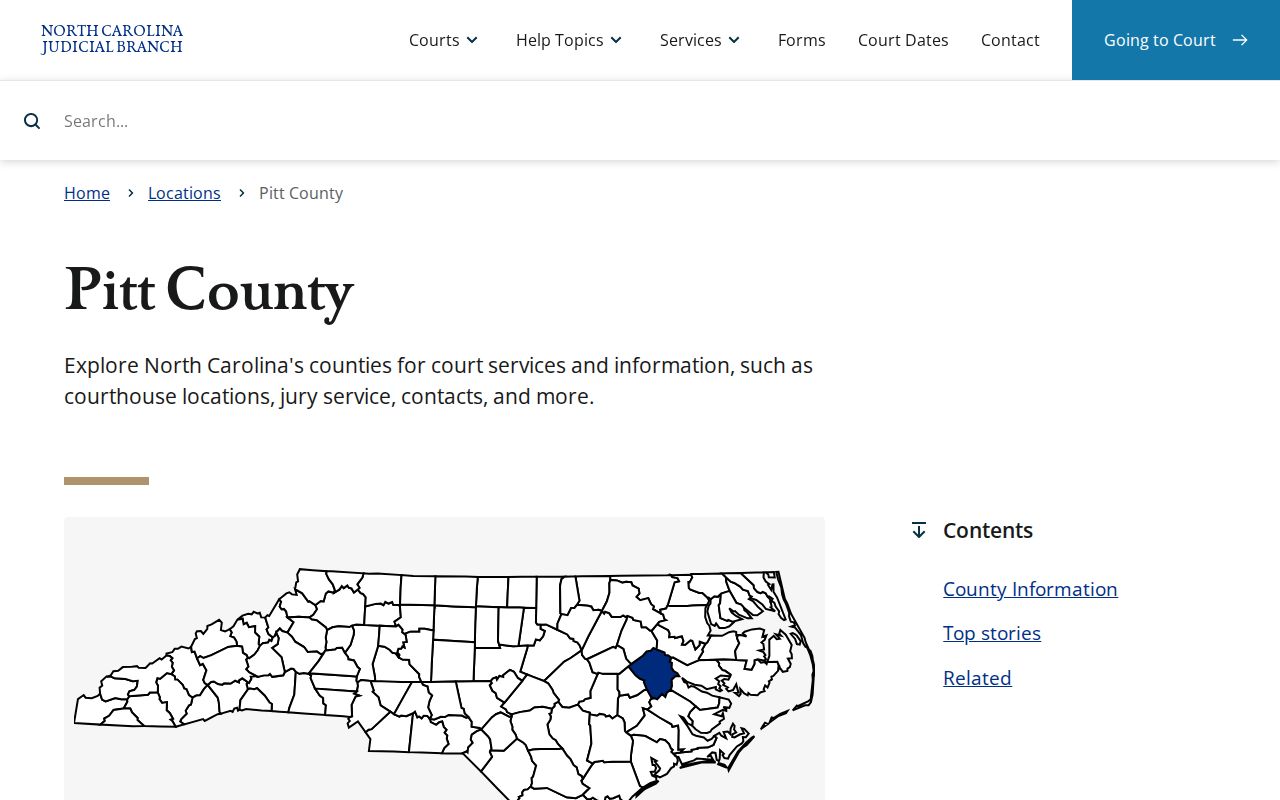
Farmville Courthouse is a secondary state venue, not a municipal court and not a second record system.
Pitt Criminal Records Update Hourly
The Pitt detainee application refreshes hourly and can return every active detainee when the search fields are blank. A reader may instead enter a full booking number of one to ten digits, a full or partial last or first name, or a date range. The county says results supply charge, sentence, and bond information. It also warns that accuracy and suitability are not guaranteed, so critical facts need independent confirmation.
| Field | Type | Use |
|---|---|---|
| Booking Number | Text | Full one-to-ten digit number |
| Last Name | Text | Full or partial name |
| First Name | Text | Full or partial name |
| From and To | Date controls | Date criterion when used |
HomeWAV is a contact service rather than a criminal record search. The official HomeWAV rules cover remote video, phone, chat, email, and text access.
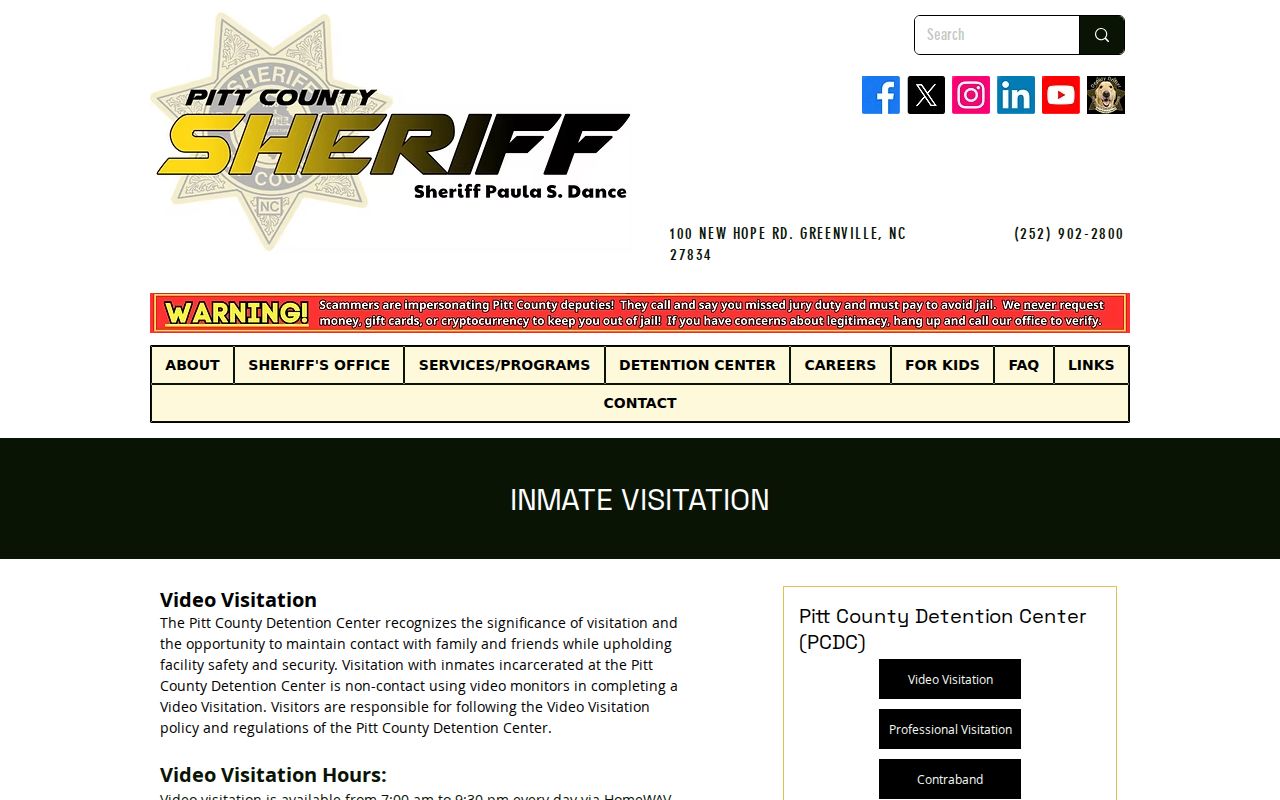
Its daily communication window and visit requirements do not provide case outcomes, archived bookings, or police reports.
Inside a Pitt County Criminal Record
The contents depend on the source. A repository history is centered on identity and fingerprint-linked arrest cycles. A court file is centered on one case. A booking record is centered on intake and custody. Readers should match the field to its custodian before drawing a conclusion.
| Name and identifiers | Names, aliases, birth information, and repository identifiers where the product lawfully displays them. |
|---|---|
| Arrest or booking data | Arresting agency, booking number, current charge, sentence information if present, and bond categories verified by Pitt. |
| Charges and statutes | Initial police labels may differ from the filed or amended court charges. |
| Disposition | Dismissal, acquittal, plea, verdict, deferred outcome, or another final court action. |
| Sentence | The court-imposed result, which can include custody or community supervision. |
| Case events | Hearings, motions, filings, financial entries, and public documents in the court register. |
A disposition is the court's outcome. A nolle prosequi means the prosecutor ends or declines the prosecution. An indictment is a grand-jury felony accusation, while an arraignment is the formal presentation of charges and plea. None of those terms should be inferred from a jail label.
Pitt Criminal Records Missing Dispositions
A missing outcome does not prove the charge stayed pending. First, open the Pitt case summary and Register of Actions in eCourts. Then ask the Clerk to verify the official file, especially for older paper material or a consequential result. If the Clerk's disposition is absent from a person's own fingerprint-based SBI history, the SBI written-exception process allows the subject to challenge the repository record.
The Pitt County Courthouse page identifies the main Clerk counter at 100 West Third Street and its weekday access hours.
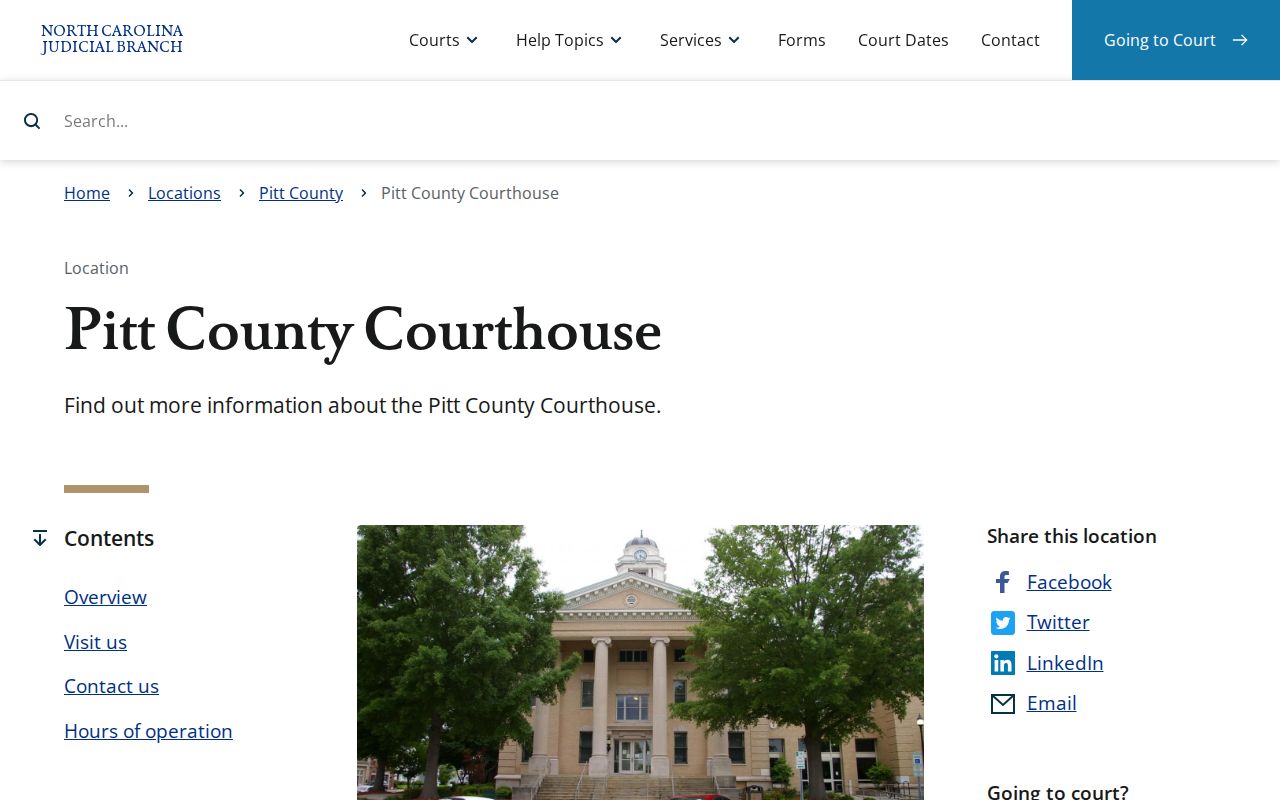
The Clerk's counter is open 8:30 a.m. to 5:00 p.m. weekdays, and mail goes to PO Box 6067, Greenville, NC 27835. The main number is 252-695-7100.
The certified criminal record search instructions explain the $25 Pitt-only name search and AOC-CR-314 request.
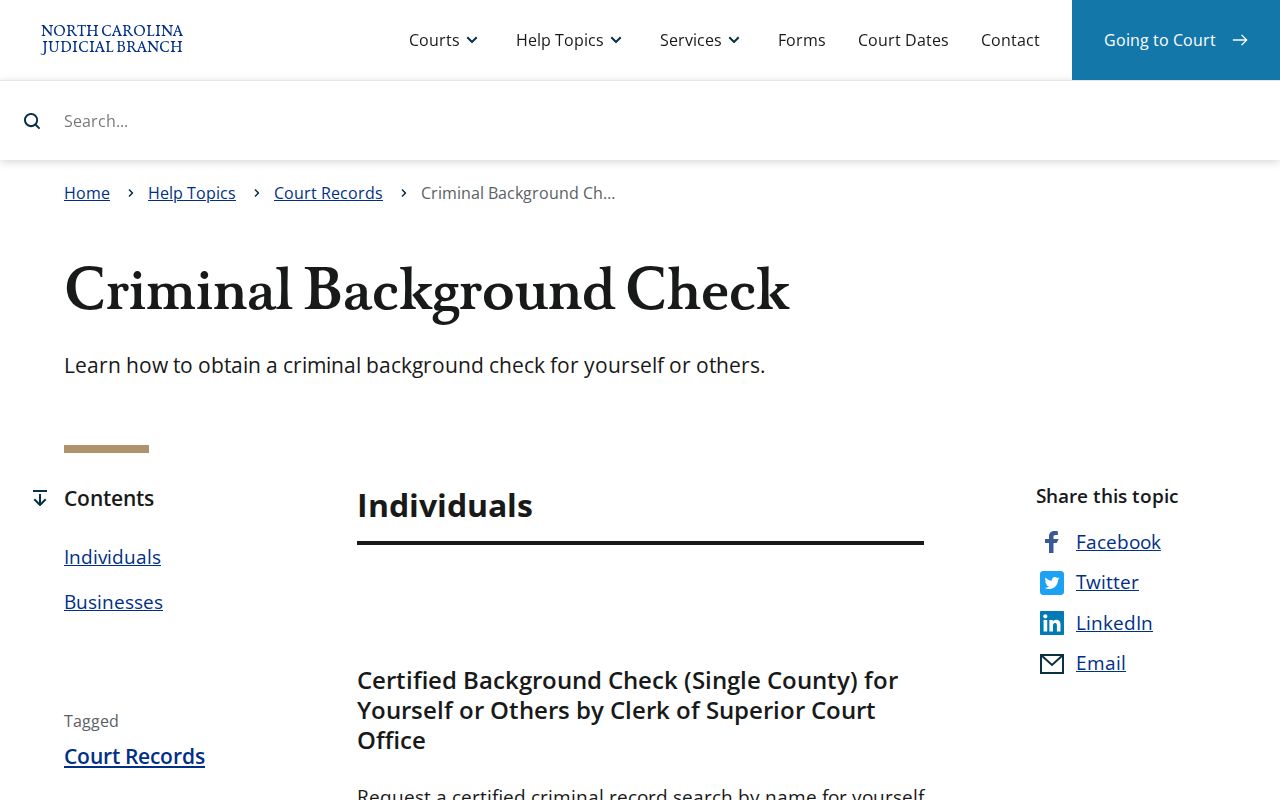
Mail payment uses a money order or certified check. In-person payment may be cash, credit or debit with a processing fee, money order, or certified check.
Public Access Laws in North Carolina
Public access changes with the record. The North Carolina Public Records Law broadly defines public records, yet criminal investigative records receive a specific rule. Court files follow a separate inspection statute. Registry profiles have their own public-field list. Protected identity details, juvenile matters, expunged files, and some investigative information remain outside ordinary access.
Key statutes:
G.S. 132-1 broadly defines public records and generally ties ordinary copy fees to actual or minimal reproduction cost.
G.S. 132-1.4 protects investigative and intelligence records while requiring access to defined basic incident and arrest information.
G.S. 132-1.4A places law-enforcement recordings under a distinct disclosure and release procedure.
Article 27A defines public registry information, registration duties, verification, and lawful community access.
For practical use, Portal offers convenience, the Clerk supplies the official court file, the investigating agency handles releasable report material, and SBI supplies the subject's statewide fingerprint review.
Pitt Criminal Records and Warrant Scams
Pitt County has no verified public active-criminal-warrant database, and the sheriff's civil tax-warrant material is not a criminal process search. A safe verification chain begins by ending an unexpected call. Dial Sheriff nonemergency at 252-830-4141 or main at 252-902-2800, ask the records clerk about public information, check for a related public case in eCourts, and use Clerk or magistrate contacts for court process.
Scam warning: Pitt deputies do not demand money, gift cards, or cryptocurrency to prevent an arrest for missed jury duty. Use a published number independently.
Do not confront a person or attempt to test a warrant. Sealed, unserved, and juvenile process may not be public, so the absence of an online case is not a safe conclusion about status.
Sealed, Expunged, and Restricted Records
North Carolina calls the remedy expunction. Adult petitions are filed with the Clerk in the county of the charge or conviction, which means Pitt County for a Pitt case. The form must match the governing statute, and some routes require affidavits or a judge-signed record-check request. The general filing fee is $175. Dismissed or not-guilty petitions are generally fee-free, except that some dismissals following deferred prosecution or conditional discharge carry the fee.
G.S. 15A-146 covers dismissals and findings of not guilty. Some eligible cases disposed on or after December 1, 2021 may be automatically expunged 180 to 210 days after final disposition, subject to statutory conditions. Other conviction routes have exclusions and waiting rules. No search result alone establishes eligibility.
The Judicial Branch expunction overview supplies current forms and filing guidance.
After an order, keep the signed copy and later verify both the Pitt court channel and SBI Right to Review. An expunction does not promise that every qualifying investigative fact or federal consequence disappears.
Pitt Criminal Records Under Supervision
Probation, parole, and post-release supervision in Pitt County are state-run through the North Carolina Department of Adult Correction Division of Community Supervision and Reentry. The Post-Release Supervision and Parole Commission makes eligible release and revocation decisions. A violation allegation can lead to a filing or order for arrest, but it is not itself a new conviction.
The NCDAC Offender Public Information Search covers state prison and reported community-supervision status.
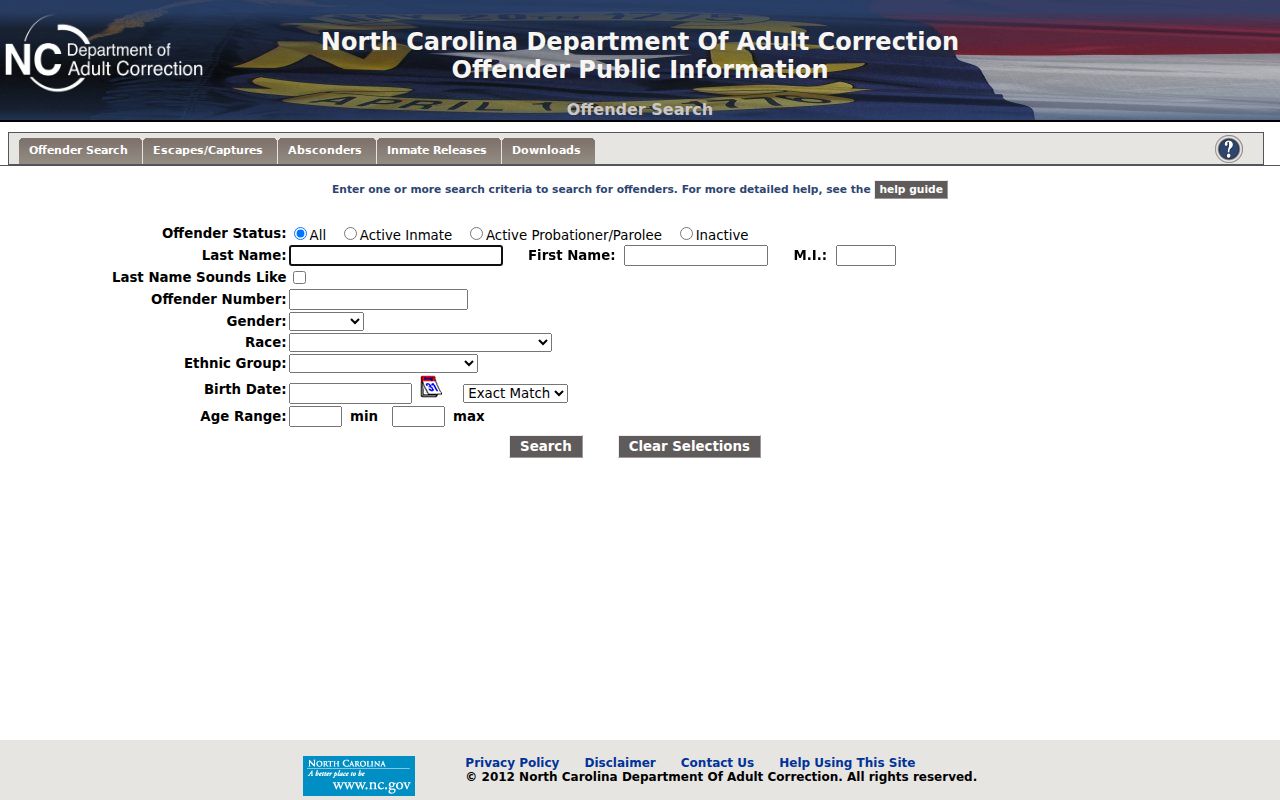
Use the court sentencing record to confirm the imposed judgment, then the state locator for the public status slice. The locator should not be expected to show an officer's name, every condition, or full violation detail. State offender information is available at 1-800-368-1985.
Pitt County Criminal Records by City
Greenville, Winterville, and Ayden police keep their own incident and arrest material, but prosecutions enter North Carolina's unified state courts. There are no separate municipal courts. A city record search therefore starts with the city police channel, moves to Pitt detention if the person was admitted, and reaches the Pitt County Clerk for filed charges and outcomes.
Greenville Criminal Records
Population 95,138. GPD offers Police-to-Citizen and a staffed records window.
Winterville Criminal Records
Population 10,899. WPD routes crash access through NCDMV and handles other requests directly.
Ayden Criminal Records
Population 5,190. APD provides a records-release form, eCrash search, and call logs.
The official SBI agency statistics viewer separates reported index offenses by Pitt County law-enforcement agency.
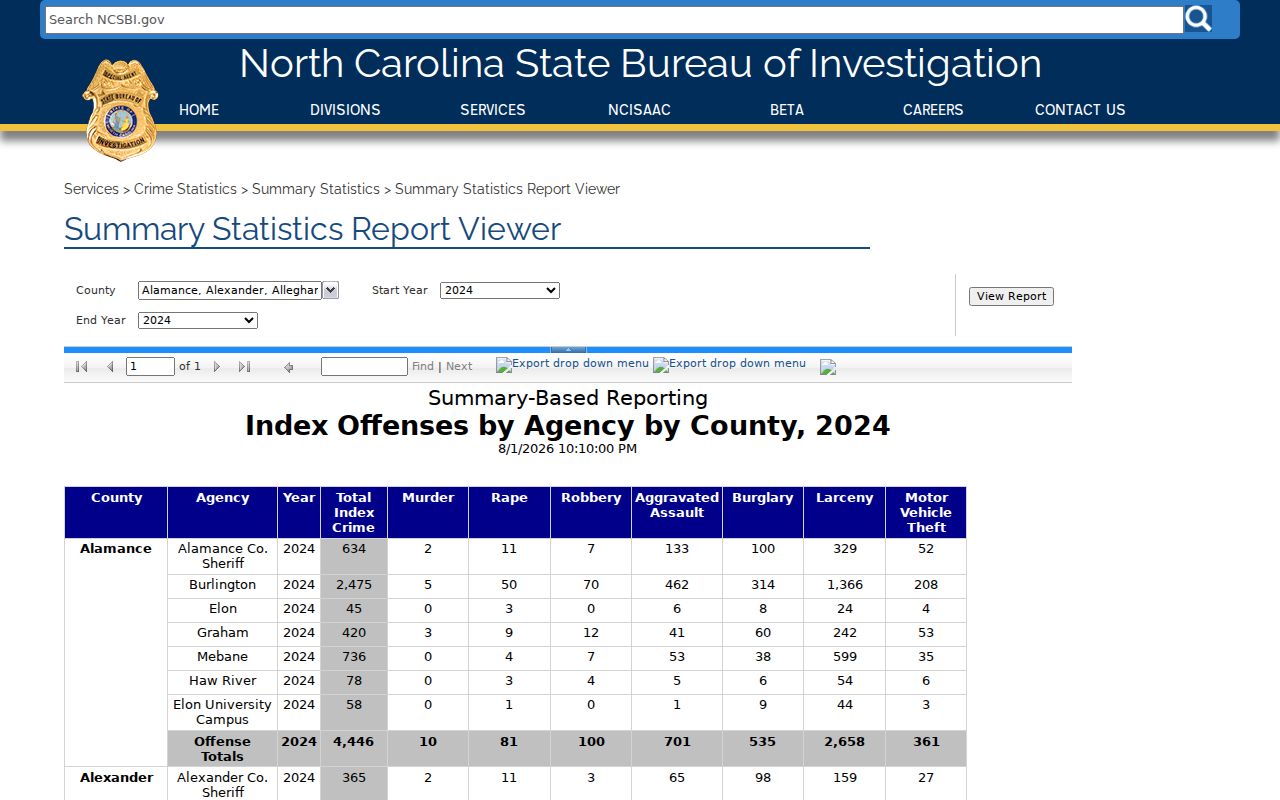
The 2024 counts are reported offenses, not arrests, convictions, unique people, or personal risk scores. Greenville Police, ECU Police, sheriff territory, and each town represent different reporting jurisdictions.
Pitt Criminal Records Through Treatment Courts
Pitt County's Behavioral Health Treatment Court offers screening, support, and case management for qualifying people with mental-health or co-occurring diagnoses as an alternative to traditional probation. Its team includes the court, prosecutor, defense, and probation staff. Pitt also operates a Veterans Treatment Court, and people facing charges must discuss admission with counsel. A 2025 state recruitment bulletin reported a $900,000 grant for that court, reflecting a substantial local investment in its work.
These programs can change the path a case takes, but they do not create a separate public record system. Filings and dispositions remain tied to the Clerk's District or Superior Court case. A person reading the docket should verify the recorded outcome rather than assume that participation itself means dismissal, conviction, or a specific sentence.
The local program structure is a reminder that a Pitt County criminal history is a sequence of official actions. A booking label captures one moment. The court register and judgment show what happened next.